
About me and how I work

Leading Conversations Internationally since 2010
Since 2010, I’ve had the privilege of leading conversations across four continents — bringing together voices as diverse as activists, architects, artists, civil servants, community organisers, consultants, entrepreneurs, managers, politicians, scientists, and students.
The organisers have been just as diverse: foundations, multinational corporations, ministries, museums, neighbourhood associations, political parties, SMEs, and universities.
Topics have ranged from architecture and art to education, leadership, political campaigns, urban renewal, policy, and societal vision.
These experiences continue to shape the way I approach dialogue and moderation today.
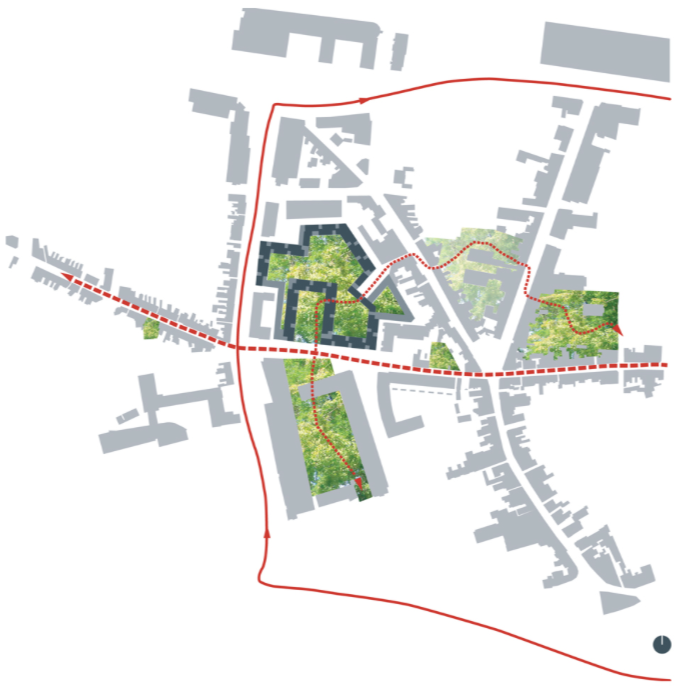
MISSING FROM MAP: LVIV, TIRANA, PODGORICA, SARAJEVO, SOFIA
Creative Thinking for Leaders and Organisations
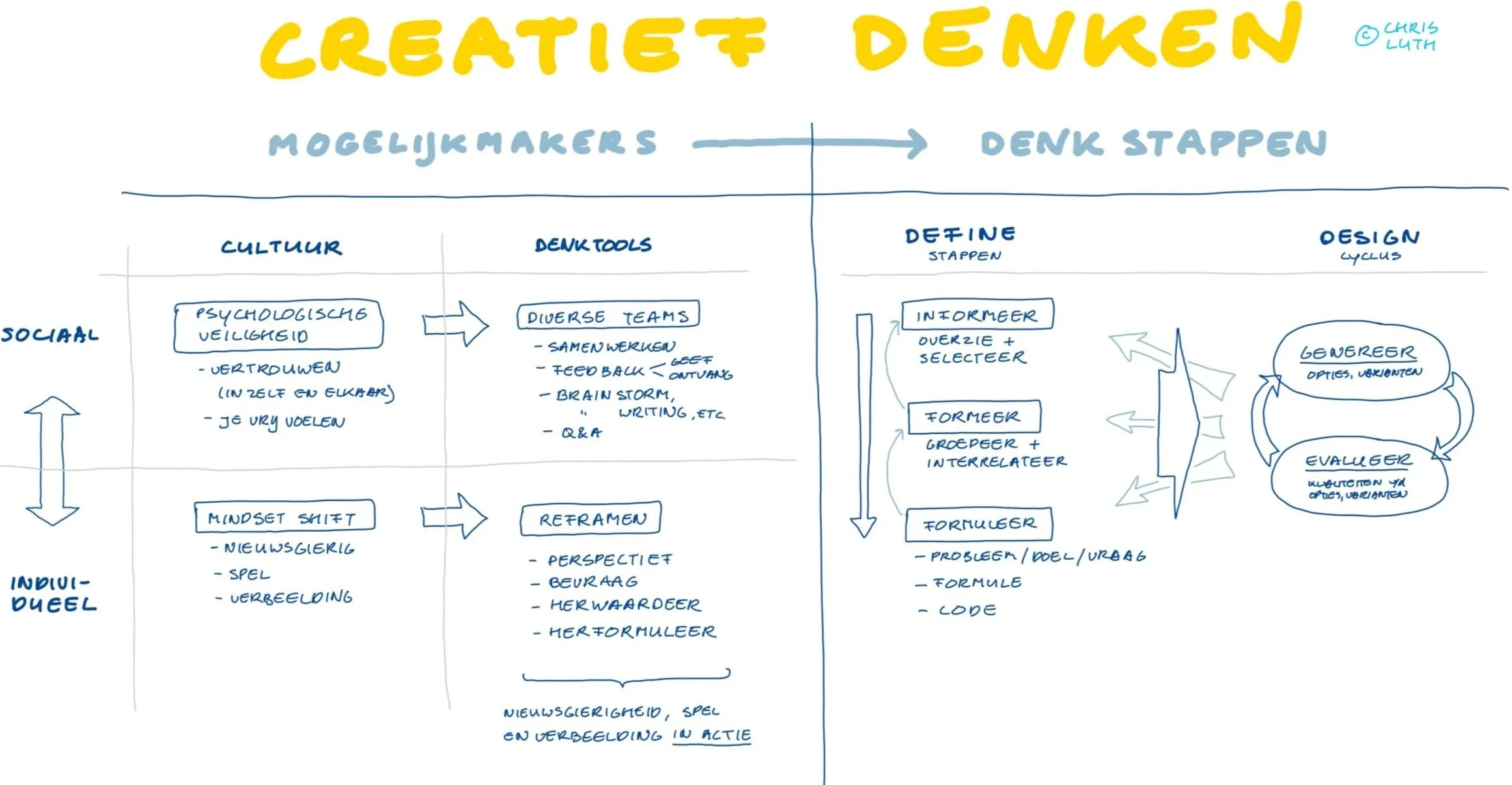
Teaching Academic Design Reflection at Delft University of Technology since 2014 helped me specialise in creative thinking and informed my model of the creative thinking process.
But creativity is not only for design problems — it also helps leaders and organisations find direction in uncertainty.
I apply my background in design and creative thinking to help teams envision where they want to go and navigate complex, wicked challenges.
Analytical thinking alone is not enough; creative thinking opens new paths forward.
Transdisciplinary Approach
Studying business administration, architecture, philosophy, and leadership coaching across five universities in three countries has shaped my transdisciplinary approach to leading conversations. Each field added a different lens:
Business administration taught me to use diagrams to simplify complexity, analyse processes, and communicate ideas for performance and improvement.
Architecture showed me how diagrams can also be investigative and creative tools, opening new ways of seeing.
Philosophy sharpened my attention to language, the meaning of words, and the power of asking questions — even those without clear answers.
Leadership coaching grounded me in listening deeply, and in asking the small but vital questions that can be answered in practice.
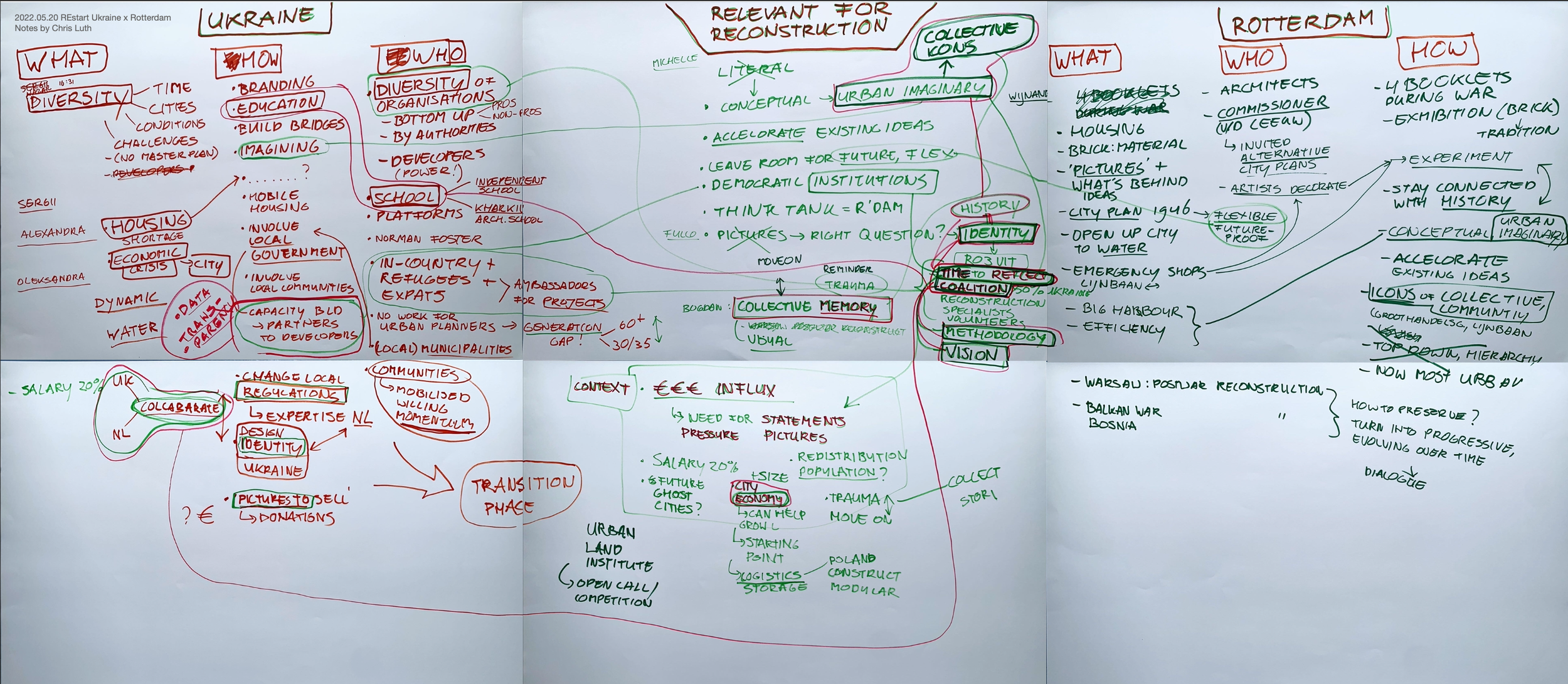
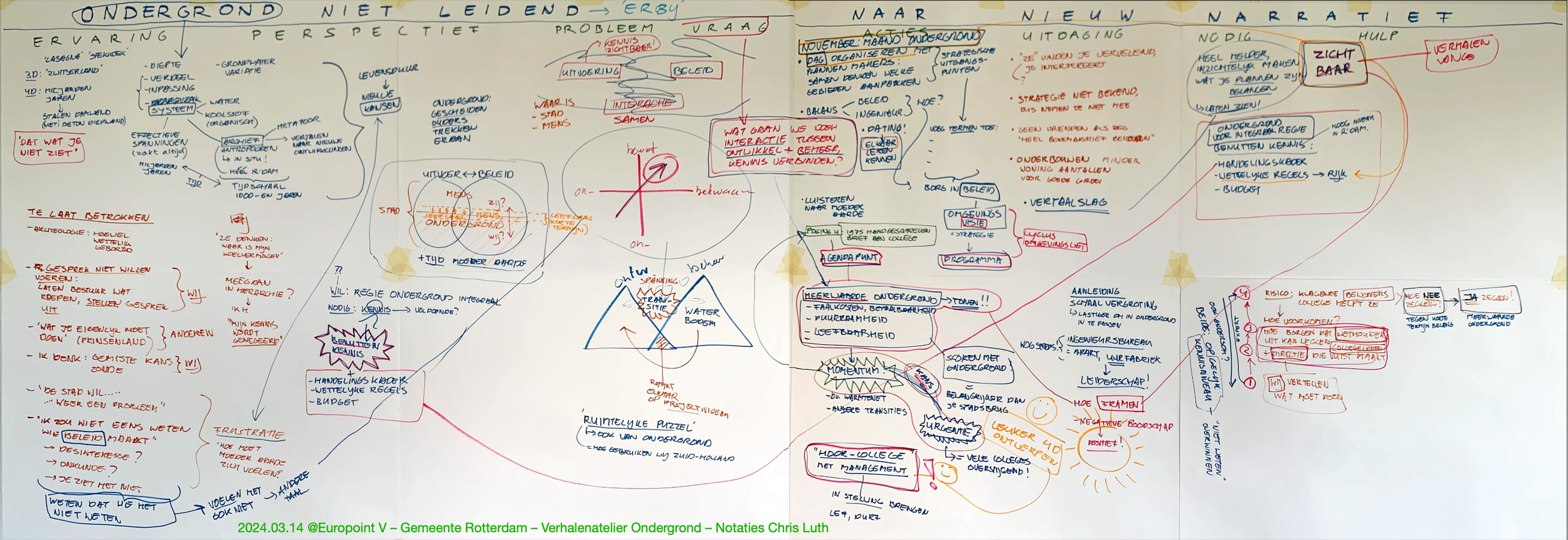
Together, these disciplines have made me obsessed with creating meaningful diagrams that make our perspectives visible — how we see ourselves in our worlds. By making these perspectives explicit, we gain the chance to re-examine them critically, and to move forward with greater clarity.
In other words:
– Business analyses complexity with pre-designed diagrams; architecture designs diagrams as creative tools
– Philosophy questions meaning; coaching quests for meaning
Philosophy asks questions; coaching listens for meaning
Philosophy asks and questions meaning / coaching listens and quests for meaning
Philosophy asks questions irrespective of if they can be answered / to speculate
Coaching asks questions to listen to answers
Philosophy questions meaning and asks to speculate | Coaching asks questions to listen for meaning
While philosophy questions meaning, coaching listens for meaning / meaningful(ly) / quests for meaning
While business analyses/categorises (diagnoses, designates) complexity in(to) categorising diagrams; architecture navigates complexity by creating diagrams
While business analyses complexity into categories, architecture designs diagrams
Transdisciplinary Approach
My work is shaped by studies in business, architecture, philosophy, and leadership coaching across five universities and three countries.
Business taught me to analyse complexity with diagrams, architecture to design them as creative tools, philosophy to question meaning, and coaching to listen deeply and ask the next right question / to (listen and) quest for meaning.
Together, these fields fuel my practice of making perspectives visible — so we can examine them and move forward with clarity / move beyond.
Dialogic Development
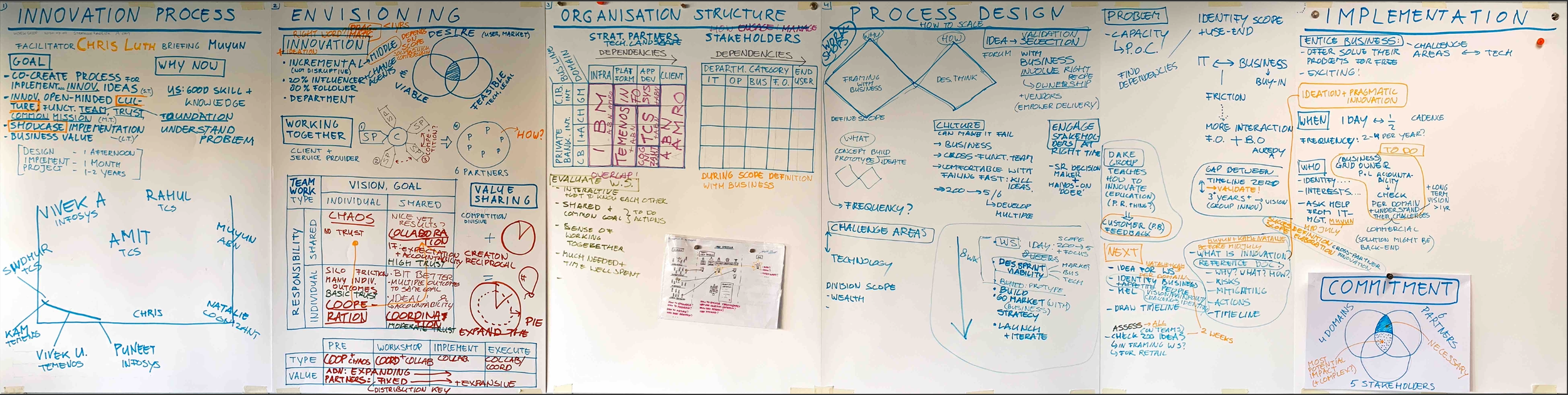
My facilitation practice did not begin with existing methods. It grew organically out of a deep curiosity for how we think and an unrelenting drive to move us forward.
Over time I’ve noticed parallels with traditions of Dialogic Organisational Development — participatory, conversational approaches to change that differ from more analytical, outside-in, diagnostic methods.
My work shows similarities with:
Appreciative Inquiry — sparking change by building on what already works.
Conversation techniques — such as Nonviolent Communication, Socratic questioning, and Clean Language.
Facilitation formats — Deep Democracy, World Café, Open Space Technology, Liberating Structures, LEGO® Serious Play, and Unconferences.
Problem-structuring approaches — used to navigate wicked problems, adaptive challenges, and complex systems.
Sense-making tools — Polarity Mapping, Core Quadrants, Cynefin, Competing Values, SECI, and the Collaboration Spectrum.
Systemic Constellations — making visible the often hidden images and dynamics shaping how people perceive an issue.
Theory U — awareness-based practices for sensing and shaping emerging futures.
Design and futures methods — such as Design Thinking, Scenario Planning, Future Design, and Strategic Foresight, which I teach at Delft University of Technology.
This distinctive blend allows me to adapt to each group and context, creating processes that are both rigorous and creative.
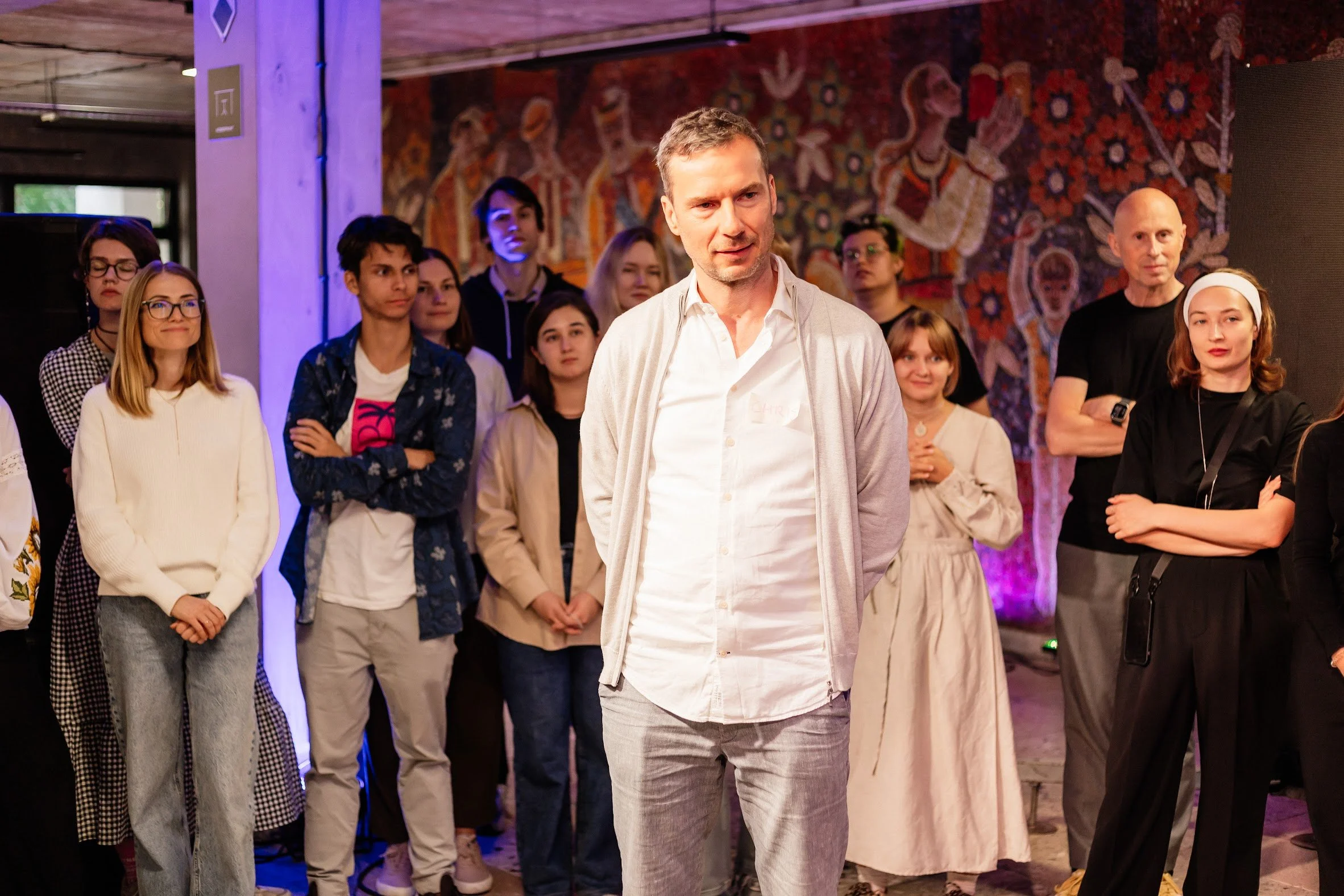
IMAGE FROM CANDIDATE CONSTELLATION ONSTAGE SOFIA
Former Architect, Curator, and Producer
Before dedicating myself to leading conversations, I worked across architecture, museums, and film.
I was an award-winning architect, yet soon realised that while I loved the creative thinking process, the execution phases weren’t my calling. My path shifted when I became a curator at the Netherlands Architecture Institute, where I organised international discussions on architecture and urban issues — from Mexico to Iran, and across four continents.
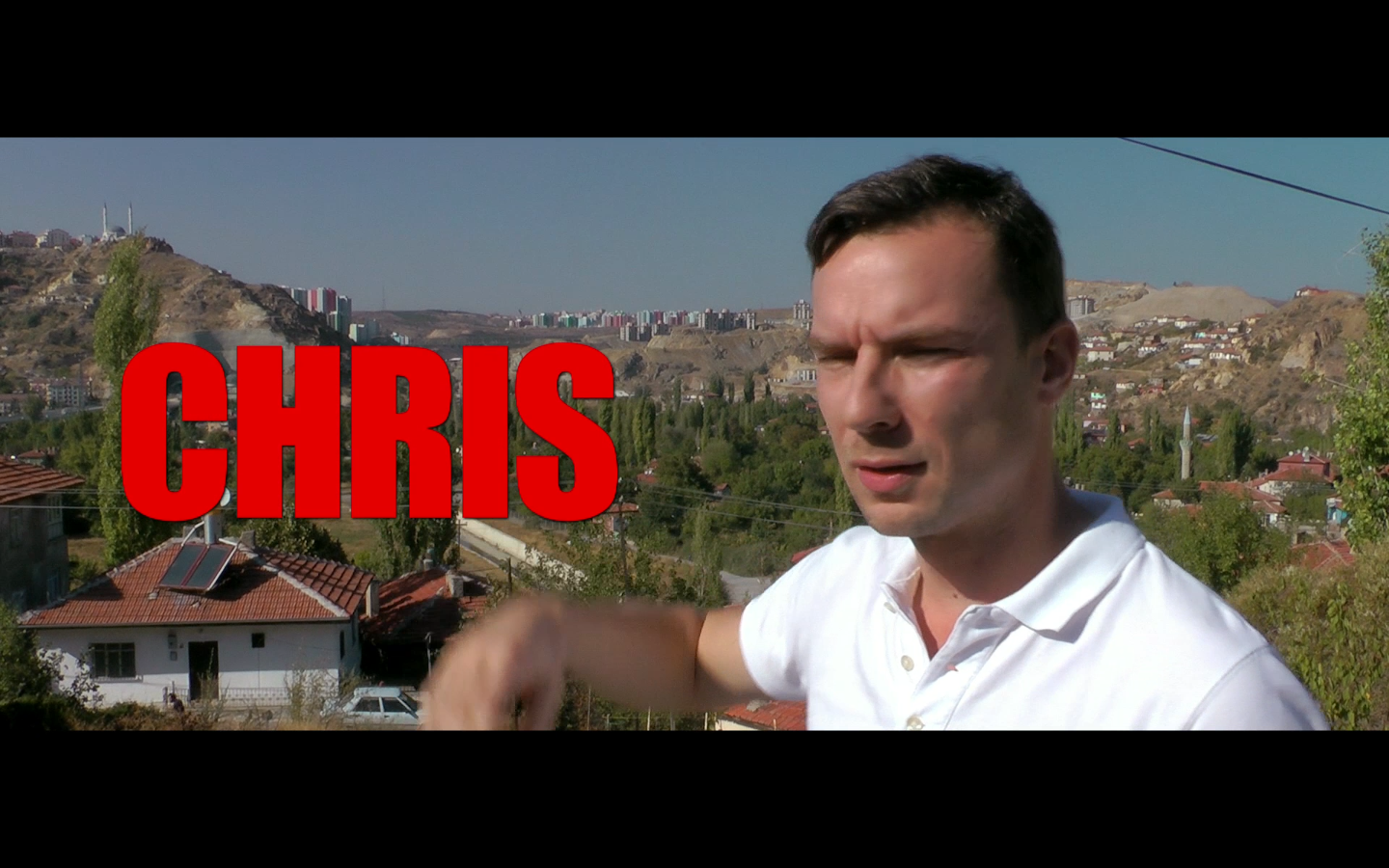
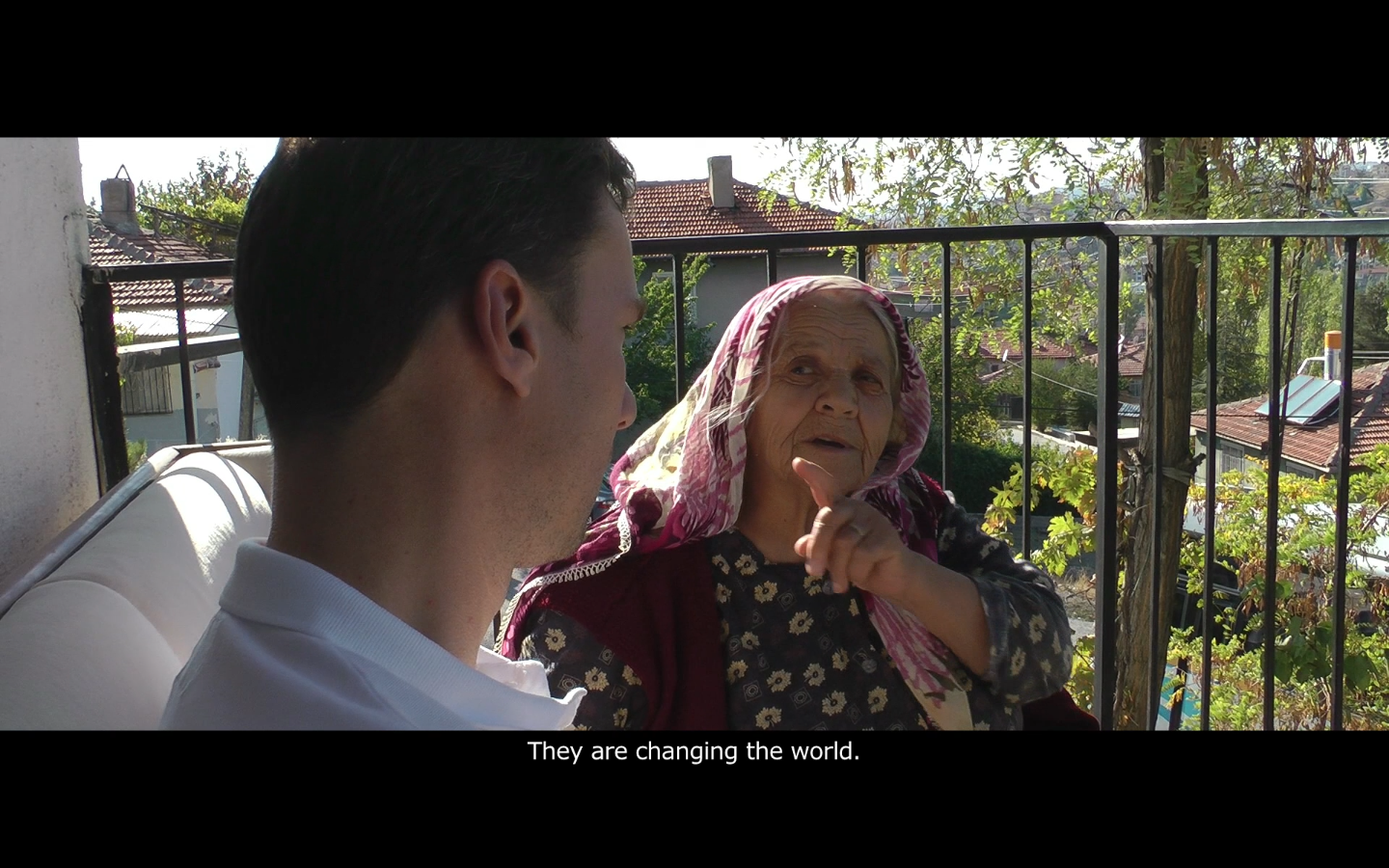
Later, as executive producer of the documentary Agoraphobia on urban transformation in Turkey, I experienced working independently, free from institutional constraints. The film premiered at the Shenzhen and Hong Kong Architecture and Urbanism Biennial and toured six cities across Eastern China, sparking dialogue wherever it was shown.
These experiences — spanning design, curation, and film — deepened my practice of convening meaningful conversations that cross disciplines, cultures, and boundaries.
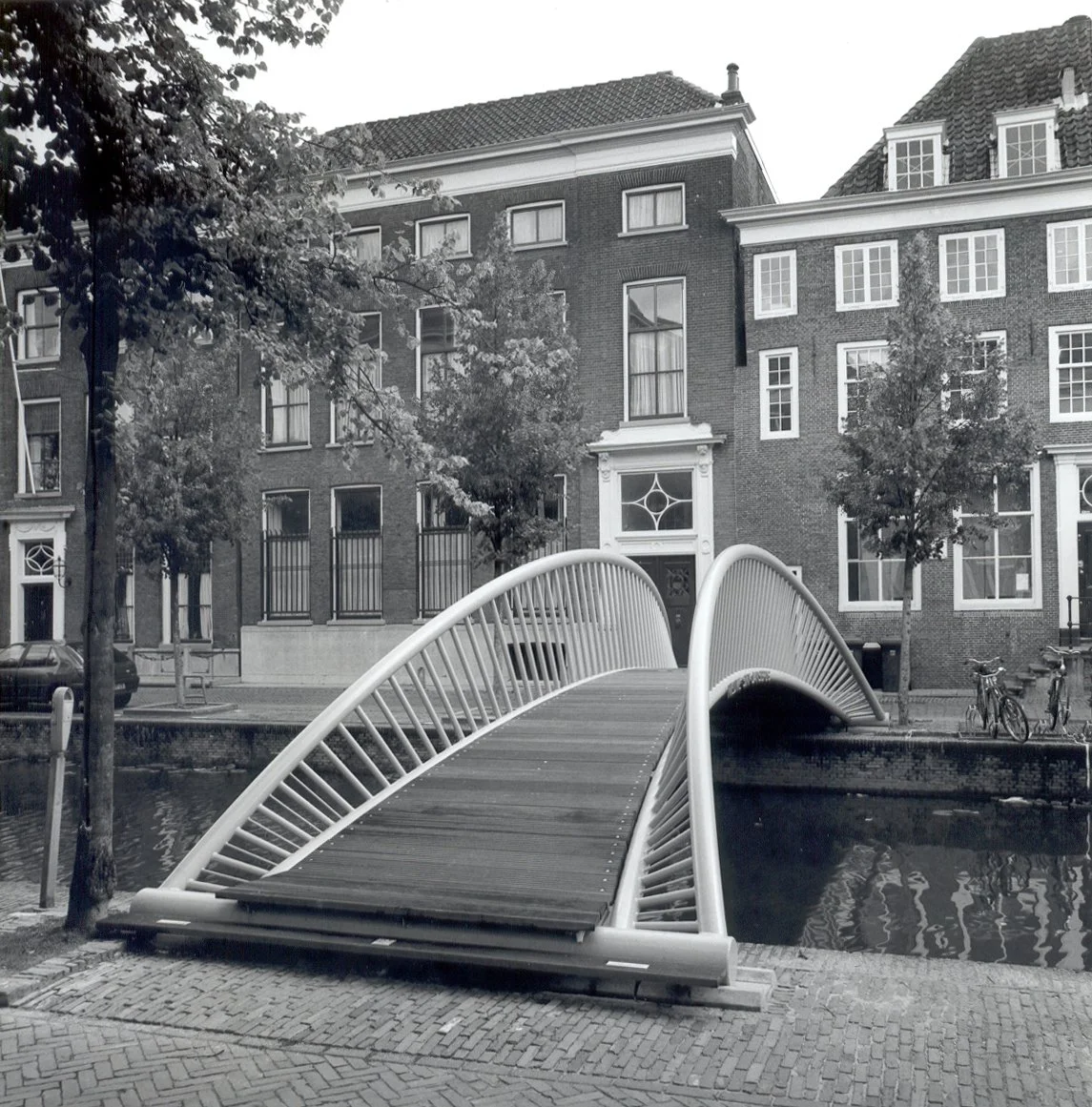
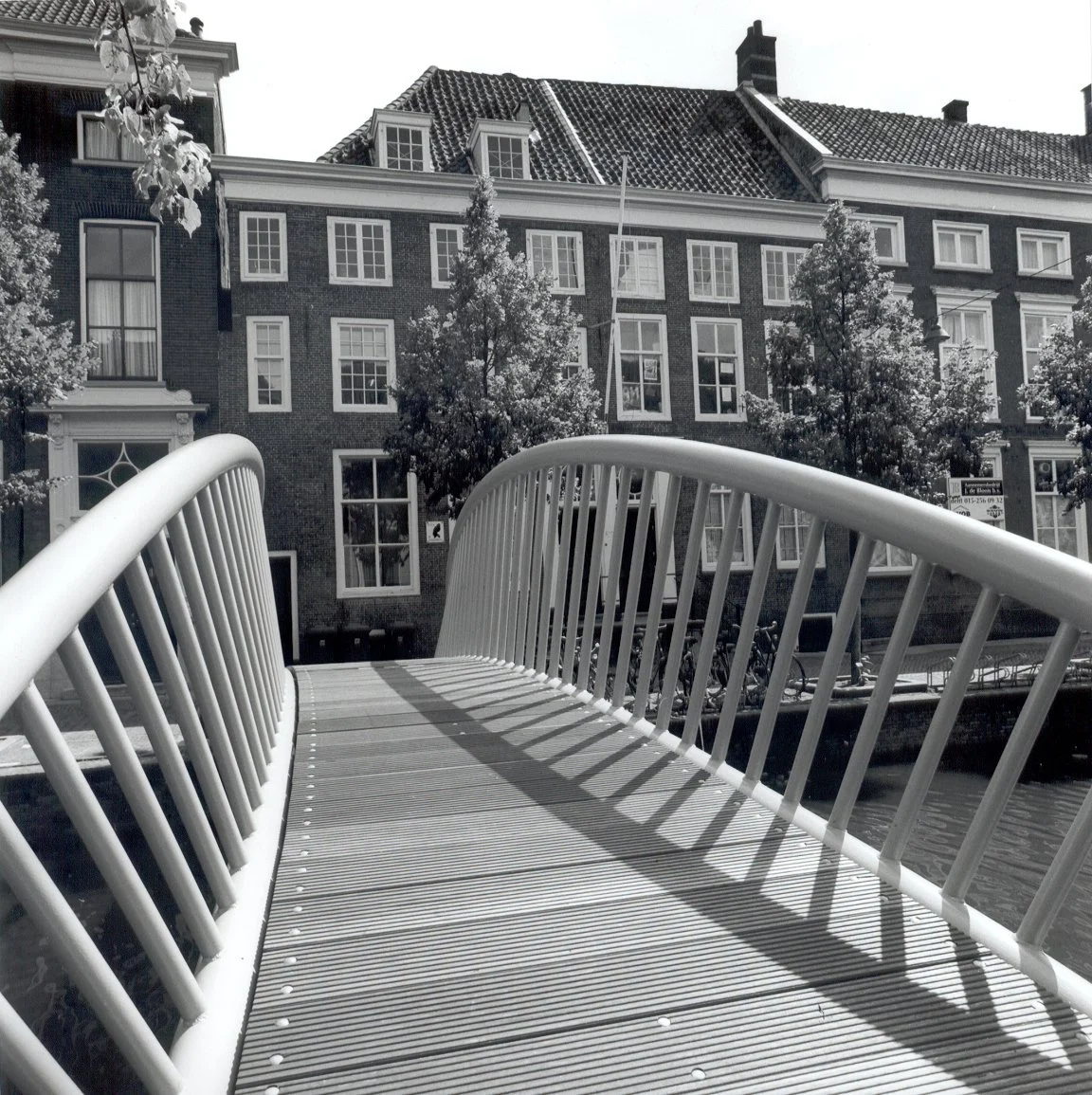
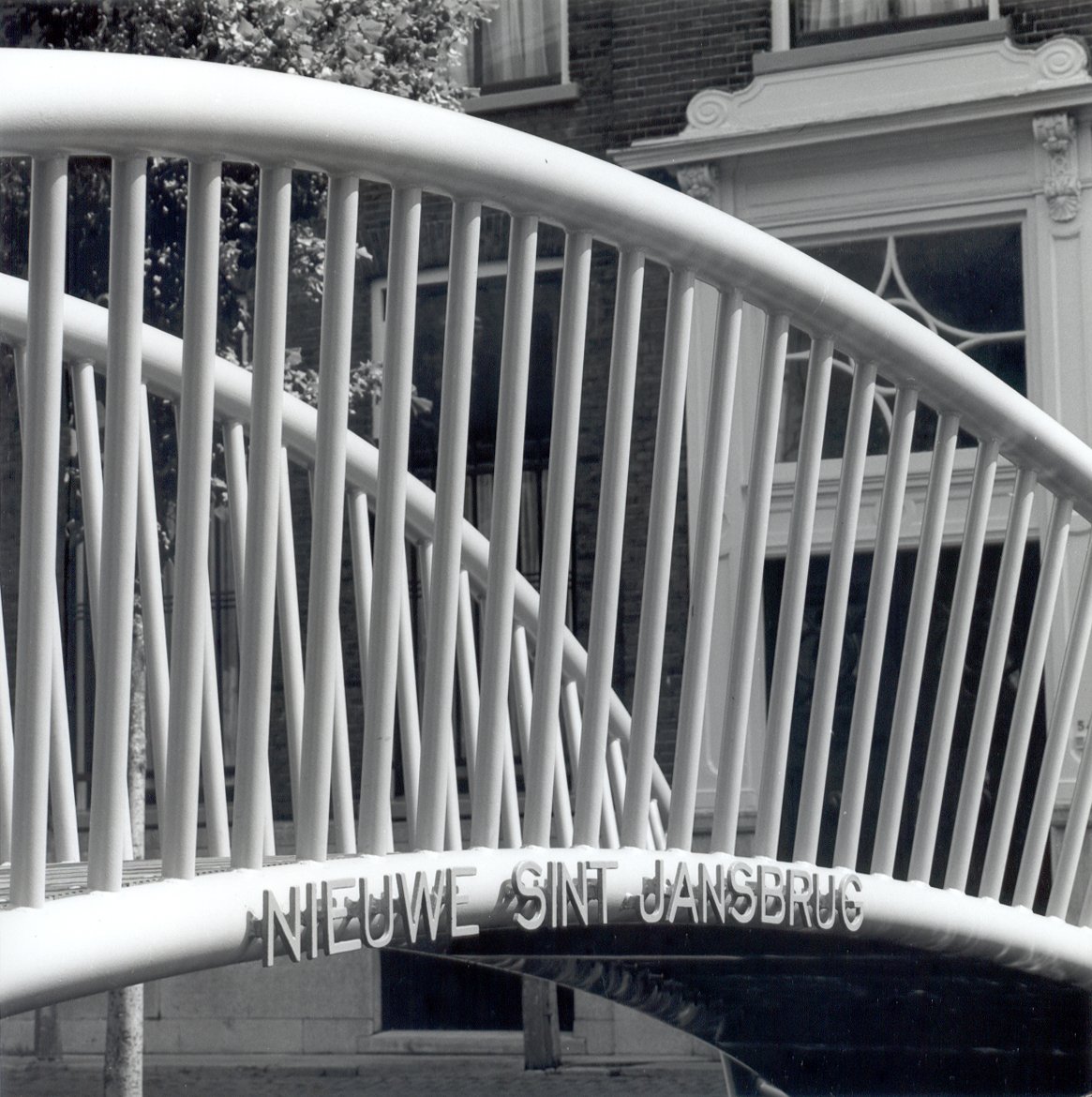
The Beauty of Multiple Perspectives
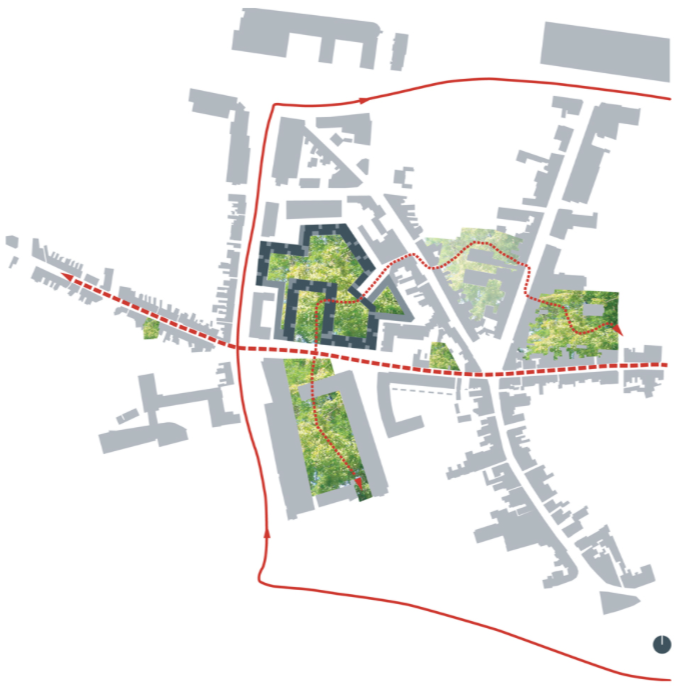
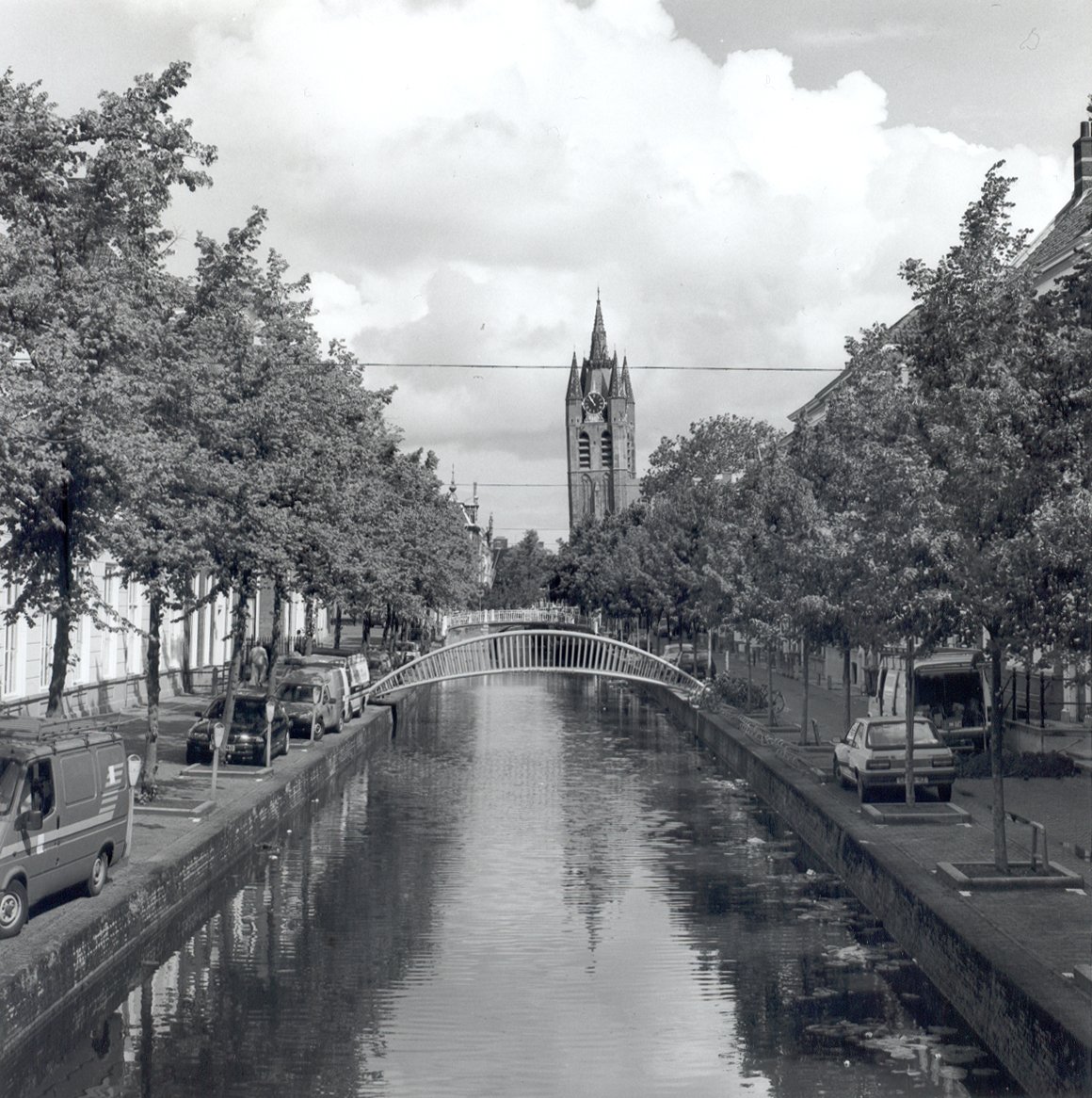
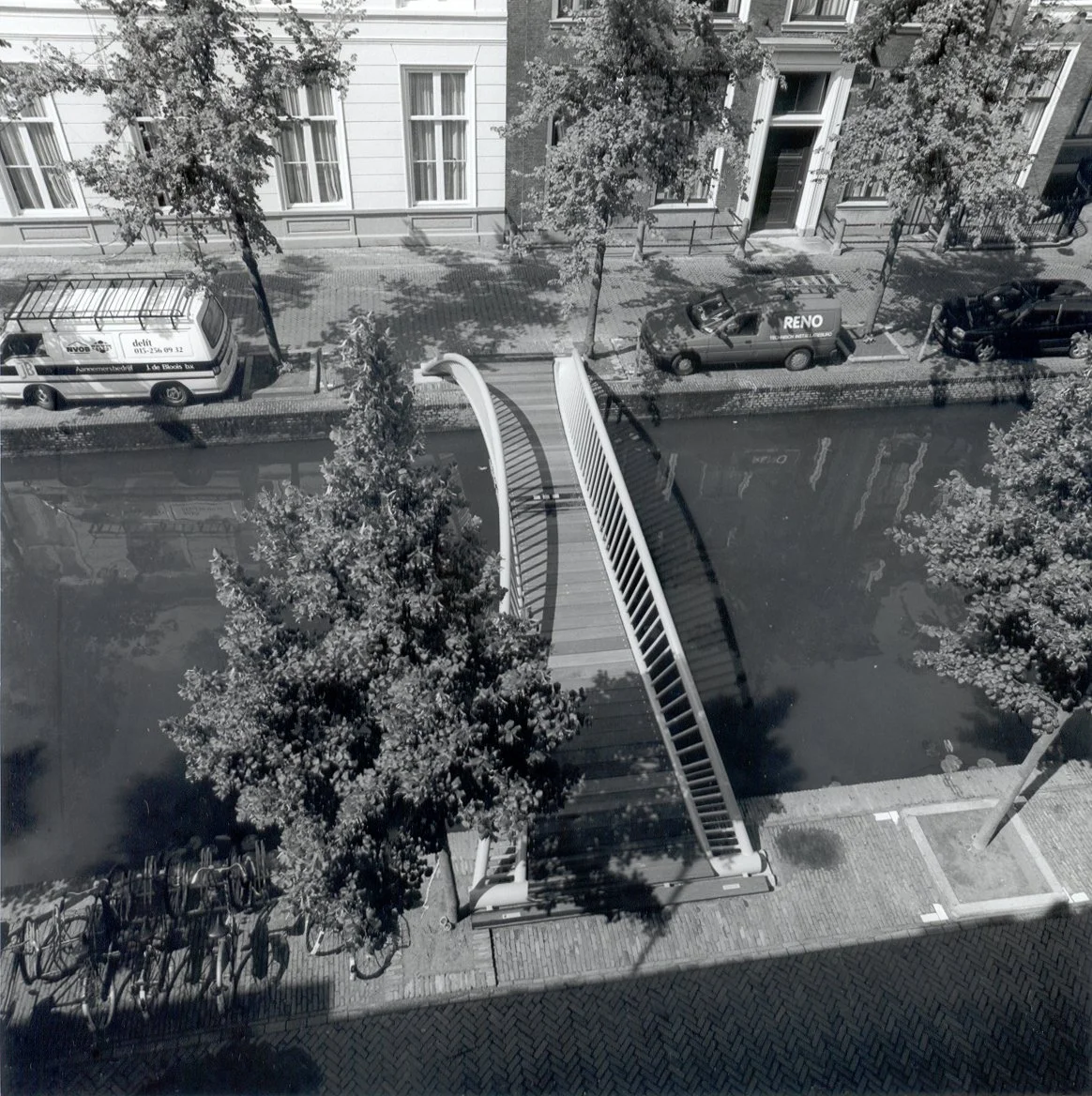
As a student, I designed a pedestrian bridge, and managed to get it financed and constructed with a group of friends. Just as a bridge can be photographed from different angles, so can a complex issue be framed from various perspectives – each perspective adding particular insights. To this day, I find beauty in discovering and exploring new perspectives.
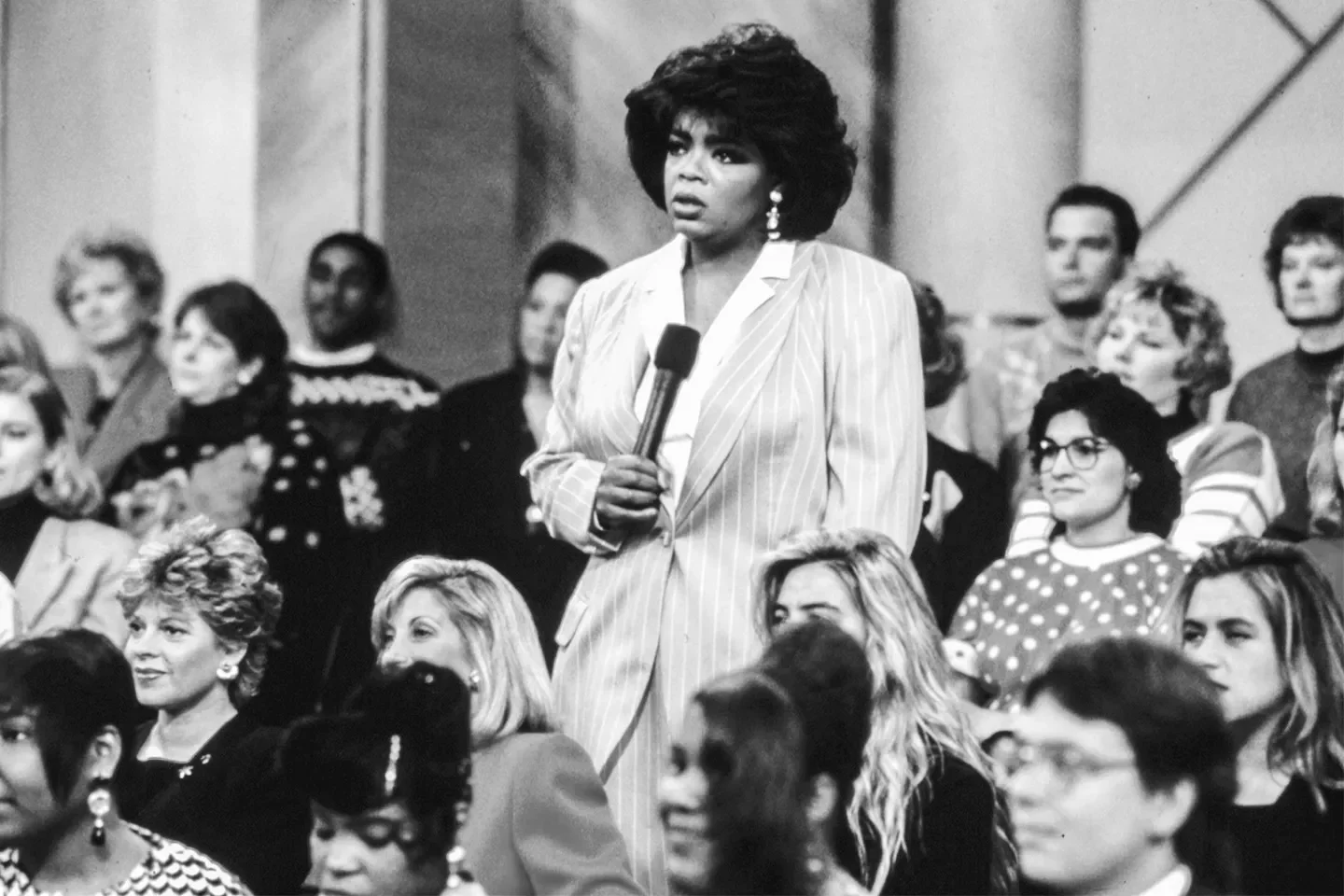
Playing Oprah
As a teenager, I often found myself mediating when family conversations grew difficult. I called it “Playing Oprah.” Looking back, those early experiences of holding space for dialogue laid the foundation for my work today as a facilitator and coach.
Bi-cultural Upbringing
I grew up in the Netherlands with a Dutch father and an Australian mother, speaking English as my first language. Switching languages and cultural codes quickly became second nature.
Contact me
Interested in working together? Fill out some info and we will be in touch shortly. We can’t wait to hear from you!